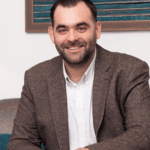
By Dr Nikolaos Blontzos, Consultant Obstetrician, Gynaecologist and Fertility Specialist at The Evewell West London
Endometriosis is a condition that affects many women during their reproductive years, and for those trying to conceive, it can raise difficult and often emotional questions.
We asked Dr Nikolaos Blontzos, Consultant Obstetrician, Gynaecologist and Fertility Specialist at The Evewell West London, to explain one of the most common concerns patients share: does endometriosis reduce IVF success, and what treatment options may help improve the chances of pregnancy.
While endometriosis can affect fertility in different ways, IVF remains a highly effective pathway to pregnancy for many individuals and couples. What matters most is understanding how the condition may influence a personalised treatment plan, and ensuring care is tailored to your specific circumstances, symptoms and reproductive goals.
_________
How does endometriosis affect fertility?
Endometriosis occurs when tissue similar to the lining of the uterus grows outside the womb, often around the ovaries, fallopian tubes, bowel or pelvic lining. This tissue responds to hormonal changes during the menstrual cycle, which can lead to inflammation, scarring and pain.
When it comes to fertility, endometriosis can have several effects. It may alter pelvic anatomy, cause adhesions that affect the movement of eggs and sperm, or impair ovarian function. In some cases, endometriosis is associated with reduced egg quality or changes in the uterine environment.
However, it is important to note that many people with endometriosis conceive naturally. The severity of the condition varies greatly, and fertility outcomes depend on a combination of factors including age, ovarian reserve and whether other fertility issues are also present.
_________
Can you try to conceive naturally if you have endometriosis?
Many people with endometriosis do become pregnant naturally, particularly those with mild or moderate disease. Endometriosis doesn’t automatically mean infertility.
However, if you’ve not conceived after six to 12 months of trying, or if symptoms are severe, it may be worth seeking specialist fertility advice sooner. Early assessment can help avoid unnecessary delays and ensure the right support is in place.
_________
Why is endometriosis so often missed or misdiagnosed?
Endometriosis can take years to diagnose, and many patients are initially told that their symptoms are simply part of a normal menstrual cycle.
One reason is that symptoms vary widely. Some experience severe pain, others have bowel symptoms, fatigue, painful intercourse, or difficulty conceiving, while some have very few symptoms at all.
Endometriosis also cannot always be diagnosed through a simple scan, particularly in early stages. In some cases, laparoscopic investigation is needed for a definitive diagnosis.
Improving awareness and access to specialist care is essential, particularly for those trying to conceive.
_________
Does endometriosis reduce IVF success rates?
This is one of the most frequently searched questions online, and understandably so. Patients want clear answers.
The relationship between endometriosis and IVF success rates is complex. Research suggests that mild endometriosis may have little impact on IVF outcomes, while moderate to severe endometriosis can sometimes be associated with slightly lower success rates, particularly if ovarian function is affected.
One reason is that endometriomas, cysts caused by endometriosis on the ovaries, may reduce the number of eggs retrieved during stimulation. Inflammation may also play a role in embryo development or implantation.
That said, many patients with endometriosis go on to have successful IVF pregnancies. Advances in reproductive medicine mean we are increasingly able to tailor protocols and optimise outcomes, even in complex cases.
At The Evewell, we take the time to understand your fertility history and help you plan for the future, creating a personalised fertility treatment plan rather than relying solely on general statistics.
_________
When is IVF recommended for endometriosis?
IVF isn’t always the first step, but it’s often recommended in certain circumstances, including:
- Severe endometriosis affecting the pelvic organs
- Blocked or damaged fallopian tubes
- Reduced ovarian reserve
- Fertility challenges lasting more than six to 12 months
- Other contributing factors, such as male factor infertility
- When surgery hasn’t resulted in pregnancy
IVF can be particularly helpful because it bypasses the fallopian tubes and allows fertilisation to occur in a controlled laboratory environment.
For many patients, IVF offers the most direct route to pregnancy, especially when endometriosis has affected natural conception.
_________
What treatments are available for people with endometriosis?
Treatment for endometriosis depends on symptoms, fertility goals, and the extent of disease.
Options may include:
- Pain management and anti-inflammatory medication
- Hormonal treatment to suppress disease progression
- Laparoscopic surgery to remove endometriosis lesions or cysts
For those trying to conceive, treatment decisions are carefully balanced to support fertility while managing symptoms effectively.
_________
Should endometriosis be treated before IVF?
Another common question is whether endometriosis should be treated before starting IVF.
The answer depends on the individual. In some cases, surgery to remove endometriosis lesions or cysts may improve pelvic anatomy or reduce pain, but surgery also carries risks, particularly to ovarian tissue. Removing an ovarian endometrioma may reduce egg reserve, so decisions must be carefully balanced.
In other situations, a period of medical suppression may be recommended before IVF. This involves using hormone therapy for several weeks or months to reduce inflammation and improve the uterine environment before embryo transfer.
The best approach is always personalised, based on:
- The stage of endometriosis
- Symptoms such as pain
- Previous surgeries
- Age and ovarian reserve
- IVF history, if treatment has been attempted before
At The Evewell West London, time is taken to evaluate all aspects of reproductive health before recommending the next step.
_________
What should you do if you think you may have endometriosis?
If you suspect endometriosis, particularly if you are experiencing painful periods, chronic pelvic discomfort, or difficulty conceiving, it is important to seek specialist assessment.
Early investigation can help clarify what is happening and ensure the right treatment pathway is offered, whether that involves symptom management, diagnostic imaging, laparoscopy, or fertility support.
You shouldn’t ever wait until symptoms become unbearable to ask for help.
_________
What can improve IVF outcomes with endometriosis?
While endometriosis can add complexity, there are several ways IVF treatment can be optimised.
These may include:
- Individualised stimulation protocols to maximise egg yield
- Careful ultrasound monitoring for endometriomas
- Advanced embryo culture and blastocyst transfer
- Considering frozen embryo transfer after hormonal suppression
- Supporting implantation through evidence-based planning
- Addressing lifestyle factors and emotional well-being
Many patients have been managing symptoms for years before seeking fertility care, and the journey can feel exhausting. Expert guidance and support are essential throughout.
_________
Support for trying to conceive with endometriosis at The Evewell
If you’ve been diagnosed with endometriosis and are considering IVF, it is entirely natural to feel uncertain about your chances.
At The Evewell, care for endometriosis and fertility is approached in a joined-up, specialist way. We combine deep gynaecological understanding, including access to the latest laparoscopic techniques where appropriate, with advanced fertility treatment expertise.
Every patient’s experience of endometriosis is different, which is why treatment is never one-size-fits-all. Our team takes time to understand symptoms, reproductive goals and the clinical picture in full, ensuring each plan is tailored with both precision and compassion.
With the right support and personalised care, many patients with endometriosis go on to have successful IVF outcomes, and feel guided, informed and reassured throughout the process.


Find out more





For advice, regular tips and support, connect with us
On Social Media

