
The internet offers no shortage of advice on these questions, and unfortunately, a fair amount of it is contradictory, unsupported by evidence, or designed to capitalise on the hope and vulnerability that come with this moment in your fertility journey.
I want to offer something more useful: an honest, research-informed guide to diet and lifestyle in the days and weeks after embryo transfer. Not a list of miracle foods or forbidden ingredients, but a calm and grounded perspective from a clinician who works with patients through this process every day.
Does diet really affect implantation after embryo transfer?
The short answer is: not in the dramatic way many sources suggest. By the time your embryo has been transferred, the most significant dietary and lifestyle preparation has already happened, ideally in the weeks and months before your cycle began.
That said, eating well during this period does matter. Not because a bowl of pineapple will implant your embryo, but because nourishing your body with whole, nutrient-dense foods supports your overall health, your hormonal environment, and your sense of wellbeing.
And all of those things genuinely matter, both now and in the weeks ahead, if pregnancy is confirmed.
What to eat after embryo transfer: a sensible, evidence-based approach
There is no single post-transfer diet, and any source claiming otherwise should be approached with scepticism.
What we do know is that an anti-inflammatory, Mediterranean-style eating pattern is associated with better reproductive health outcomes and is broadly beneficial during this period. This means:
- Plenty of colourful vegetables and fruits, which provide antioxidants that help reduce oxidative stress
- Whole grains such as oats, brown rice, quinoa and whole-grain bread over refined carbohydrates
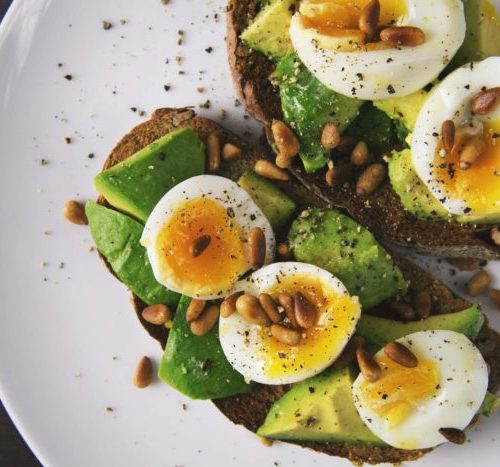
- Healthy fats from olive oil, avocado, nuts, and seeds, which support hormone production and reduce inflammation
- Good quality protein from sources such as eggs, legumes, fish, and lean poultry
- Oily fish such as salmon, mackerel, or sardines, which provide omega-3 fatty acids with anti-inflammatory properties
There’s no need to overhaul your diet dramatically or to follow a restrictive plan. Eating regularly, keeping blood sugar stable, and choosing foods you actually enjoy are all part of a sustainable and supportive approach.
Find out more in our: ‘What is the fertility diet?’ guide.
Foods and drinks to limit or avoid
A few things are worth being more careful about during and after your transfer cycle:
- Alcohol should be avoided completely during the two-week wait and, if pregnancy is confirmed, throughout pregnancy.
- Caffeine. The evidence on caffeine and IVF outcomes is mixed, but most fertility clinics recommend keeping intake low, no more than 1 or 2 small cups of coffee or an equivalent amount per day.
- Processed and ultra-processed foods are high in trans fats, refined sugars, and additives; they contribute to inflammation and should be minimised.
- Raw fish and high-mercury fish, such as swordfish, tuna, and shark, should be avoided as a precaution during pregnancy.
- Unpasteurised dairy and soft cheeses: best avoided during the post-transfer period, given the potential for listeria infection.
You may have read about avoiding pineapple or heard that eating the pineapple core improves implantation due to its bromelain content. There is no evidence to support this claim. Eating a small amount of pineapple will not help or harm implantation, but it’s not a treatment strategy.
Hydration after embryo transfer
Staying well hydrated is important and often underestimated. Adequate fluid intake supports endometrial blood flow and general cellular function.
Aim for around two litres of water daily. Herbal teas such as ginger or peppermint are generally considered safe, but it’s worth avoiding medicinal herbal preparations unless you have specifically discussed them with your consultant, as some herbs can affect uterine activity or interact with your medication.
Exercise after embryo transfer: what is safe?
This is one of the most common questions I receive, and my answer is consistent: gentle movement is not only safe but actively beneficial. Walking, light stretching, and restorative yoga are all appropriate.
Exercise supports circulation, reduces cortisol levels, and contributes to overall well-being, all of which are valuable in this period.
High-intensity training should be avoided. Running at pace, HIIT workouts, heavy resistance training, contact sports and vigorous cycling should be paused until after your pregnancy test and, if positive, until you have discussed activity levels with your consultant.
This is not because of any specific risk of these activities dislodging the embryo; it does not work that way anatomically. Rather, it is because high-intensity exercise increases cortisol and adrenaline, which can be counterproductive when your body is working to establish a pregnancy.
Additionally, ovarian stimulation may have left your ovaries temporarily enlarged, making high-impact activity uncomfortable and potentially risky until they return to their normal size.
My colleague, Dr Devi Ravikumar, wrote an article here on ‘What to do after embryo transfer.’
Sleep and rest after embryo transfer
Sleep is often undervalued in conversations about reproductive health. Poor sleep quality is associated with elevated cortisol, disrupted hormone regulation, and increased inflammatory markers, all of which are detrimental during the post-transfer window.
Aim for 7-9 hours of sleep per night. If anxiety is making sleep difficult, which is very common in the two-week wait, consider gentle relaxation techniques before bed: a short breathing exercise, a warm (not hot) bath, or a podcast or audiobook that gives your mind somewhere calm to rest.
Supplements after embryo transfer: what to continue and what to avoid
If you’ve been taking supplements as part of your pre-cycle preparation, typically folic acid or a pregnancy-specific multivitamin, you should continue taking them after transfer. Folic acid in particular is recommended throughout early pregnancy to support neural tube development.
Vitamin D is worth maintaining if you were taking it before transfer, particularly given that the UK population is frequently deficient.
CoQ10 and other antioxidant supplements taken pre-cycle do not need to be stopped abruptly, but it’s worth checking with your consultant about what to continue and at what dose.
What you should avoid is starting new supplements without medical advice, particularly anything marketed specifically to ‘boost implantation’ or ‘support the two-week wait’.
These are largely unregulated, often poorly evidenced, and some may interact with your prescribed medication.
If something is being heavily marketed to IVF patients, that’s a reason for caution, not confidence.
Managing stress: why it matters and what actually helps
Stress is real, and the stress of the two-week wait is particularly intense. I want to be honest with you: the evidence that stress directly prevents implantation is not as strong as it is sometimes presented. But stress does affect how you feel, how you sleep, what you eat, and how you relate to the people around you, and all of those things influence your overall health and your capacity to cope, whatever the outcome.
Things that genuinely help include spending time with people who support you, gentle physical movement, mindfulness or meditation apps, time in nature, and creative activities that engage your attention.
Fertility counselling, available through our clinic, can also be a valuable resource, particularly if previous cycles have been difficult or if anxiety is significantly affecting your daily life.
Approach this period with self-compassion. You have been through something demanding, and you deserve care from your medical team, from the people around you, and from yourself.

Find out more





For advice, regular tips and support, connect with us
On Social Media

